
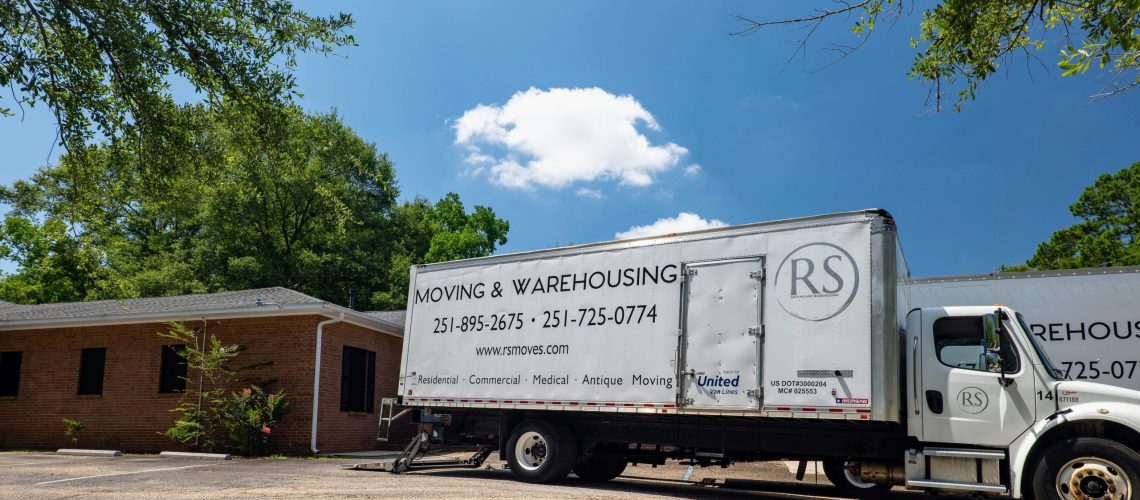
When you hire local furniture movers to help with your move, it’s easy to think everything in your house will go straight onto the truck. Most people in Mobile only find out at the last minute that some things can’t be moved. Whether it’s due to safety rules, moving regulations, or the risk of damage, there are a handful of common items movers just won’t take.
If you’re settling into Mobile, Alabama, this time of year brings gradual changes in weather and irregular rainstorms that can already make moving more complicated. Knowing ahead of time what might be left behind can help ease stress and avoid last-minute surprises. We’ve outlined the types of items most movers avoid and what you can do when you’re told something can’t go.
Why Some Things Can’t Go
Not all items get the green light for transport, especially when safety is at stake. Most restrictions aren’t just about being picky. There are laws, risks, and liability concerns we have to follow. When something gets turned away, here’s why it usually happens:
- Flammable or hazardous materials can’t be loaded onto a truck. This includes gasoline, lighter fluid, and anything labeled as toxic or dangerous.
- Oversized or unsteady items can pose a safety hazard. If we can’t secure the item safely in the truck, or if moving it could cause injury, we’ll say no for everyone’s protection.
- Some Mobile neighborhoods, especially those with homeowners’ associations, have rules about moving times or restrictions on what can be parked or moved through certain areas. Those details sometimes limit what, when, or how items can travel.
Being upfront about items like these at the start of the moving process helps everything run more smoothly.
The Items Most Movers Skip
There’s a short list of items we almost always turn down, no matter the distance or size of the move. These items fall into three categories: hazardous, perishable, or problematic.
- Hazardous materials include items like fireworks, paint thinner, propane tanks, motor oil, anti-freeze, and other chemicals. Anything that’s flammable, pressurized, or toxic isn’t safe to move in a truck.
- Perishables include frozen food, open jars from the fridge, or even houseplants. The heat and humidity in early March in Alabama can ruin fragile items long before the doors reopen at your new place.
- Items with strong smells or signs of pests often can’t ride along. For example, if a box of linens has grown mildew, or furniture has visible insect activity, it’s just not a risk most movers are willing to take.
It helps to do a full check before moving day so there’s time to pitch or prep problem items.
Special Cases That Need Advance Planning
Some things aren’t flat-out refused but may require extra planning. This isn’t about saying no, it’s about giving them the attention and care they’ll need to be moved safely.
- Gun safes, hot tubs, and upright pianos are examples of items that may need extra equipment or a specialist to handle. That could mean a different delivery schedule or a second crew.
- Outdoor equipment like grills, swing sets, or trampolines usually needs to be cleaned or taken apart before move day. Plan ahead so you’re not scrambling with a wrench when we show up.
- Most local furniture movers will give you a list of what can and can’t be moved when booking, but if something seems tricky, it’s smart to ask about it instead of assuming it will fit on the truck.
The sooner you know something’s going to take more time or care than expected, the better prepared you’ll be to deal with it.
Pet Concerns and Personal Keepsakes
We care deeply about your belongings, but some things are simply too personal or sensitive to hand off.
- Pets fall into this category. While they’re part of the family and we love seeing those wagging tails at the door, pets can’t ride in the truck or be handled by movers. They’ll need a ride in your own vehicle, with the comfort and attention they’re used to.
- Jewelry, cash, and family keepsakes are better placed in your hands than ours. We won’t box up your wedding ring or a shoebox full of old letters because there’s too much risk of loss.
- Documents like passports, birth certificates, and work paperwork should travel with you, not under boxes of bedding and tools.
Keeping these items separate avoids stress and keeps what matters most close by.
What to Do When Something Can’t Go
Sometimes the only option is letting go of a few things. That’s not always a bad thing. If we hit a roadblock with an item, there are still a few good options to consider:
- Sell items you can’t move through local platforms or yard sales. Early March is a good time in Alabama since the weather is starting to warm up and people are looking for bargains.
- Donate usable goods that won’t ride along. Many local groups accept drop-offs of furniture, outdoor gear, or boxed kitchen items.
- Schedule a second trip for anything that needs special handling. If it won’t fit through the door or onto the truck safely, think about alternative ways to move it with care and space.
If you’re unsure about something, give a quick call before move day. It helps avoid last-minute frustration and makes the day smoother all around.
Stay Ready and Avoid Surprises
The better you know the rules, the smoother your move will go. Being aware of what we can’t bring on the truck helps keep things safe, organized, and on track. Local furniture movers are pretty flexible, but we do have to follow some clear safety lines and property rules.
RS Moving & Warehousing offers both residential and commercial moving services, so we are used to handling unusual or bulky items that need special planning. We can help coordinate solutions for large furniture, fragile antiques, and short-term storage in Mobile, Alabama, if needed before your new place is ready.
Once you’ve sorted out what we can handle and what needs special care, everything else becomes easier to manage. Your moving day doesn’t need guesswork. Some heads-up, smart packing, and asking the right questions can go a long way in making sure you’re ready for the road ahead.
Planning a move across Alabama comes with plenty of questions about what’s safe to pack and what might cause delays. At RS Moving & Warehousing, our team knows the local moving landscape inside and out. Some items simply aren’t a safe bet for transport, but with a proactive approach and expert guidance from our local furniture movers, you can sidestep setbacks and keep your move running smoothly. Give us a call today to get your spring relocation on track.
