
Understanding Transloading: Benefits and Tips
Transloading is a key part of the logistics process that involves transferring goods from one mode of transportation to another. This can happen between trucks, trains, ships, or planes. The main goal of transloading is to make the movement of goods more efficient and cost-effective.
For businesses that ship large quantities of products, transloading can save time and money. By using different forms of transportation, you can find the quickest and cheapest routes for moving your goods. This flexibility is especially useful for companies that deal with long-distance shipping or international trade.
Understanding transloading can help businesses improve their supply chain and reduce shipping costs. In this article, we will explore what transloading is, its benefits, how to choose the right transloading services, and tips for ensuring a smooth transloading experience. By learning more about this valuable service, you can make better decisions for your business and keep your operations running smoothly.
What is Transloading?
Transloading is a process in logistics where goods are transferred from one type of transportation to another. This can involve moving shipments from trucks to trains, trains to ships, or various other combinations. The purpose of transloading is to make the transportation of goods more efficient and cost-effective.
In a typical transloading process, items are first brought to a central location, often a warehouse or a specialized transloading facility. At this hub, the items are unloaded from their original transportation method. They are then reloaded onto a different mode that will carry them to their final destination. This transfer can involve different types of containers and handling equipment based on the specific needs of the goods being moved.
Transloading plays a crucial role in long-distance and international shipping. By combining different modes of transport, businesses can choose the fastest, cheapest, or most reliable routes. For example, a company might ship products by train to a coastal port and then transfer them to a cargo ship for overseas delivery. This flexibility allows for better management of shipping costs and time, making transloading an essential part of modern logistics.
Benefits of Transloading for Businesses
Transloading offers numerous benefits for businesses involved in the movement of goods. Here are some key advantages:
1. Cost Savings: Transloading allows businesses to use the most cost-effective routes and transportation methods. By combining different transports, companies can take advantage of lower shipping rates and save on fuel costs.
2. Efficiency: This process speeds up the overall transportation time by eliminating delays that might occur if one mode of transport were used throughout the entire journey. Combining faster transport modes for parts of the journey can considerably cut down delivery times.
3. Flexibility: Transloading provides businesses with the flexibility to adjust their shipping methods based on changing needs and conditions. Whether you’re facing road closures, port strikes, or seasonal changes in demand, transloading enables you to switch routes and methods quickly.
4. Better Inventory Management: With transloading, goods are often stored temporarily at a hub, which provides an opportunity to manage inventory levels more precisely. Businesses can consolidate shipments, sort products, and organize inventory more efficiently during these transfer points.
5. Improved Reach: Transloading makes it easier for businesses to reach remote locations or areas not serviced by certain transportation modes. For example, rail transport might get products close to a destination, but trucks can handle the final delivery.
These benefits make transloading an attractive option for businesses looking to improve their supply chain operations. By leveraging different transportation modes and routes, companies can streamline their logistics, reduce costs, and ensure timely delivery of their products.
How to Choose the Right Transloading Services
Choosing the right transloading service provider is crucial for ensuring efficient and cost-effective logistics. Here are some steps to help you select a reliable transloading service:
1. Identify Your Needs: Start by understanding what your business requires. Are you shipping perishable goods that need special handling? Do you need climate-controlled storage? Knowing your specific needs helps narrow down your options.
2. Check Experience and Reputation: Look for service providers with a solid track record and good reviews. A company with extensive experience in transloading can handle your goods more efficiently and reliably.
3. Review Service Offerings: Not all transloading services are the same. Make sure the provider offers the type of transloading you need, such as truck-to-rail, rail-to-ship, etc. It’s also important they have the necessary facilities to handle your cargo.
4. Evaluate Technology and Equipment: Advanced technology and modern equipment are indicators of a reliable service provider. This means they can handle goods quickly and safely, reducing the risk of delays and damages.
5. Consider Location and Infrastructure: Choose a service provider with strategic locations near your shipping routes and key transport hubs. This can significantly reduce transportation time and costs.
6. Ask About Customer Support: Excellent customer support is essential. You want a provider who is responsive and willing to assist you promptly if issues arise.
7. Compare Costs: Finally, get quotes from different providers and compare their services and costs. Look for a balance between quality and affordability.
By following these steps, you can find a transloading service provider that meets your needs and ensures smooth and efficient operations.
Tips for a Smooth Transloading Experience
To make the transloading process as smooth as possible, consider these practical tips:
1. Plan Ahead: Start planning your transloading needs well in advance. This includes arranging transportation, scheduling times, and coordinating with the service provider.
2. Organize Your Inventory: Label all your items clearly and keep an up-to-date inventory list. This makes it easier to sort and track your goods during transloading.
3. Communicate Clearly: Maintain open communication with your transloading service provider. Make sure they understand your requirements and any special handling instructions.
4. Use Quality Packaging: Protect your items with sturdy packaging materials. Proper packaging reduces the risk of damage during the transfer process.
5. Monitor the Process: Keep an eye on the transloading process if possible. Monitoring helps ensure everything runs smoothly and allows you to address any issues promptly.
6. Have Backup Plans: Be prepared for unexpected delays or changes. Having backup plans in place can help you adapt quickly and avoid major disruptions.
7. Document Everything: Keep records of all shipments, including dates, times, and any issues encountered. This helps track and resolve problems efficiently.
By following these tips, you can ensure a hassle-free transloading experience and keep your supply chain running smoothly.
Conclusion
Transloading can be a game-changer for businesses looking to streamline their logistics and reduce shipping costs. By understanding what transloading is and the benefits it offers, you can make informed decisions for your business. Choosing the right transloading service provider and following practical tips can lead to a smoother, more efficient process.
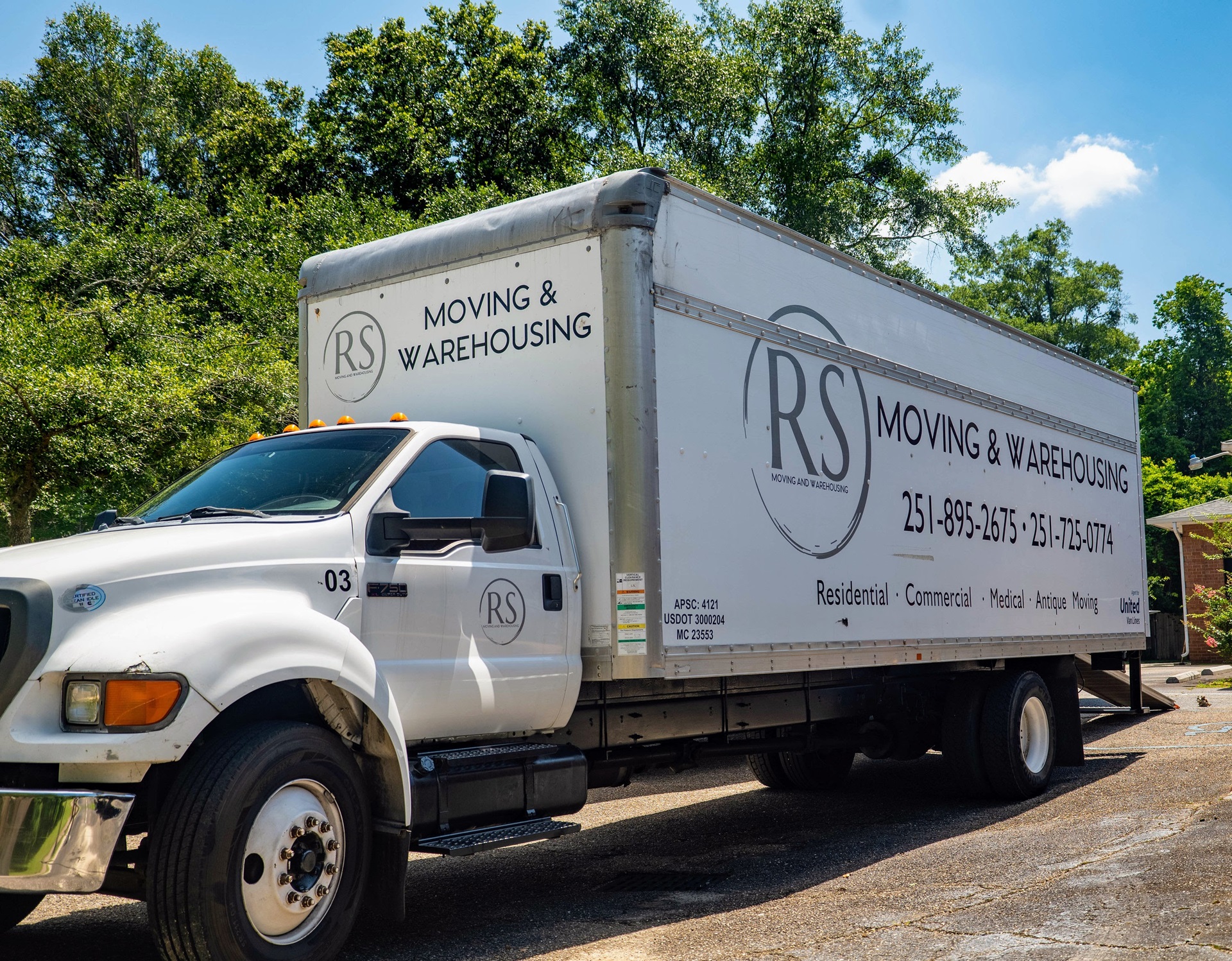
Do you need efficient and reliable transloading services? Contact RS Moving & Warehousing today to discuss how we can help you with all your transloading needs and ensure your goods are handled with care and precision. Let us make your logistics simpler and more effective!
