
Moving long distances can be a daunting task, but preparation can turn it into a manageable process. When faced with the challenges of planning, packing, and moving, having a clear plan is essential to staying organized.
Planning and Organization
Creating a Comprehensive Moving Timeline
A well-structured moving timeline can make your long-distance move much smoother. Start by determining your moving date and work backwards to create a schedule that encompasses all necessary tasks. Key milestones should include:
- Two Months Before the Move: Research and book your moving services. Notify important contacts about your change of address.
- Six Weeks Before: Begin decluttering your home. Donate or sell items you no longer need.
- One Month Before: Start packing non-essential items and gather packing supplies.
- Two Weeks Before: Confirm travel arrangements and finalize any moving logistics.
- Moving Week: Pack essentials and clean your current home for the new occupants.
By sticking to a structured timeline, you can reduce last-minute stress and ensure everything is on track for your moving day.
Managing Inventories and Checklists
Creating an inventory of your belongings helps keep track of what you’re moving. This information proves invaluable when packing, unpacking, and addressing any misplaced items. Here’s how to manage your inventory effectively:
- Categorize Items: Divide your possessions into categories, like clothing, kitchenware, and electronics.
- Use a Digital Spreadsheet: Input details like item description, quantity, and condition into a spreadsheet for easy reference.
- Create a Moving Checklist: List every task you need to complete, from changing your address to canceling services at your old home.
- Label Boxes Clearly: Mark each box with its contents and destination room.
This level of organization simplifies the moving process and helps ensure nothing gets left behind.
Packing for a Long Haul
Tips for Packing Boxes Efficiently
Efficient packing saves time and minimizes the risk of damage during a long-distance move. Use these packing tips to ensure your items are travel-ready:
- Use the Right Size Boxes: Pack heavy items, like books, in smaller boxes and lighter items, like bedding, in larger boxes.
- Label Each Box: Write the contents and designated room on every box for easy identification.
- Maximize Space: Roll clothing and towels to save space, and fill voids in boxes with smaller, soft items.
- Bundle Cables: Securely bundle electrical cords with twist ties or zip ties to prevent tangling.
Protective Measures for Valuables and Fragile Items
Ensuring the safety of your valuables and delicate items is paramount during a long-distance move. To protect them, consider the following steps:
- Wrap Fragile Items: Use bubble wrap or packing paper around glass, china, and other breakables. Secure them with tape.
- Add Cushioning: Fill the bottom of boxes with crumpled paper or foam peanuts to buffer shocks.
- Double Box Fragile Goods: Place wrapped items in a box, cushion it well, then place this box into another for extra protection.
- Seal Boxes Firmly: Use high-quality packing tape to seal all box edges securely.
These protective measures safeguard your belongings, reducing the risk of damage and ensuring a smoother moving experience.
Navigating Logistics
Choosing the Right Moving Services
Selecting the appropriate moving services plays a crucial role in a successful long-distance move. With many options available, it’s essential to find a service that meets your specific needs. Focus on the following when you’re making a decision:
- Reputation and Reviews: Check online reviews and ask for recommendations to find reliable movers.
- Service Range: Ensure the company offers the services you require, like packing, storage, or special handling for items like pianos.
- Transparent Pricing: Look for a moving company that provides clear, upfront rates to avoid hidden fees.
- Insurance Options: Verify the insurance options offered to cover potential damage or loss.
This ensures both peace of mind and a smoother transition to your new home.
Coordinating Travel and Transport
Successfully navigating the logistics of moving means organizing travel and transport effectively. To do this, consider the following tips for a less stressful experience:
- Plan Routes: Map out your journey, checking for any construction or traffic delays.
- Book Accommodations Early: If the journey spans multiple days, secure hotel reservations well in advance.
- Schedule Vehicle Transport: If you’re not driving your car, arrange for vehicle transport ahead of time.
- Prepare an Essentials Bag: Pack a bag with necessities to keep with you during the move, including snacks, documents, and chargers.
Proper planning helps avoid last-minute issues and keeps everything on track.
Emotional and Physical Stress Management
Tips for Minimizing Stress During the Move
Moving can be both physically and emotionally demanding. Managing stress effectively will improve your experience and keep you focused. Try these methods to maintain calm:
- Stay Organized: Stick to your timeline and checklists to maintain control over the process.
- Ask for Help: Delegate tasks to family members or friends to lighten the workload.
- Take Breaks: Allow yourself short breaks to relax and rejuvenate during hectic packing or unpacking days.
- Keep a Positive Attitude: Focus on the exciting aspects of your move, like exploring a new location.
Handling stress well makes your moving experience more enjoyable and fulfilling.
Staying Healthy and Energetic on Moving Day
Maintaining your health and energy levels is important on moving day. Your well-being affects both mental focus and physical stamina. Here’s how to stay at your best:
- Hydrate Regularly: Drink plenty of water to stay hydrated, especially if moving during warm weather.
- Eat Balanced Meals: Focus on nutritious, energy-boosting foods to keep stamina up.
- Rest Adequately: Ensure you get a good night’s sleep before the big day.
- Wear Comfortable Clothing: Dress in lightweight, flexible outfits for ease of movement.
These habits promote a healthier and more efficient moving process, reducing the risk of fatigue and stress.
Conclusion
A successful long-distance move requires detailed planning, from timeline management and inventory organization to efficient packing and logistics coordination. Emotional and physical well-being should not be overlooked. By applying these strategies, you can transform this potentially daunting experience into a manageable and even enjoyable transition.
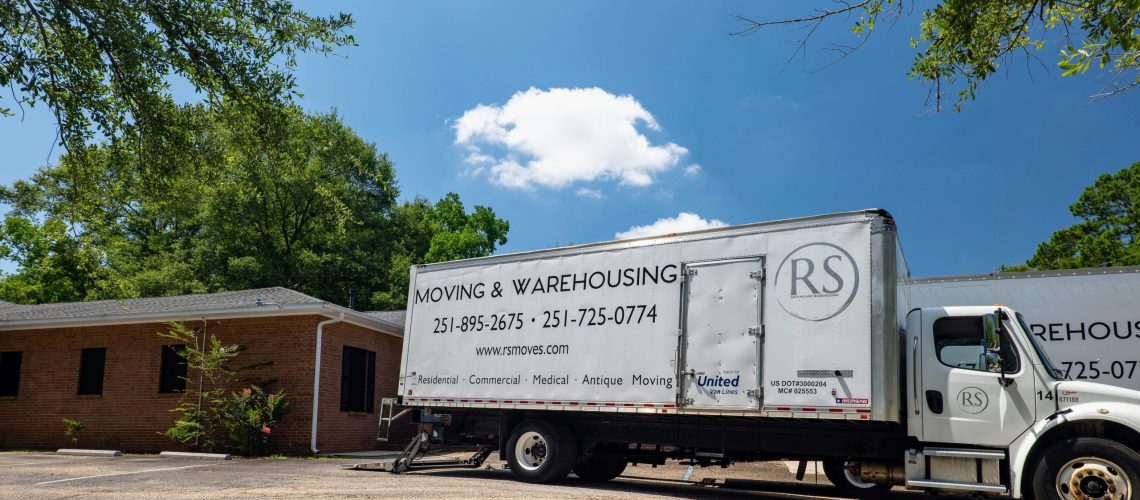
Our comprehensive long distance moving services ensure your journey is hassle-free, allowing you to focus on the excitement of this new chapter in your life. Contact RS Moving & Warehousing and let us help you make your next move your best move yet!
